RCA – Reinstatement Cost Assessment
Property Management / Insurance
A detailed evaluation that estimates the cost to rebuild a property after ‘total loss’ damage, to ensure appropriate insurance is in place.
What is an RCA?
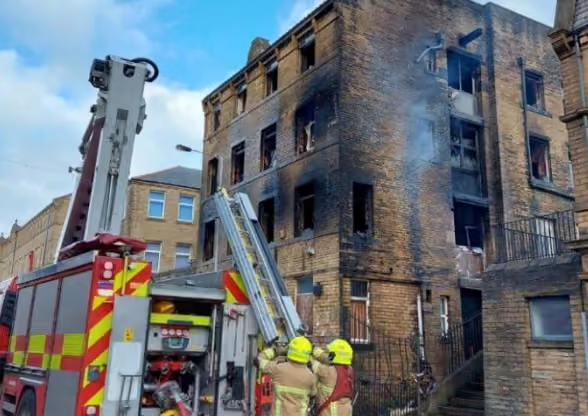
A Reinstatement Cost Assessment is carried out to evaluate the total estimated cost of rebuilding a property in the event of a total loss event, such as a fire.
This assessment includes costs for materials, labour, demolition, site clearance and associated professional fees, e.g. costs for surveyors, architects, engineers, etc. required for the rebuild.
There are various additional costs that need to be considered to ensure adequate insurance is in place, such as:
- ‘Party Wall Act’ – it is highly likely that the rebuilding of a given property will require action and cost under this Act.
- Asbestos – expensive asbestos removal costs (even as part of a demolition process) can add significantly to the overall insured sum.
- Site contamination – e.g. soil contaminants on an industrial site, or even arsenic found in the ground under a demolished house – each will need removing at significant cost.
- Listed Building – this generally results in a rebuild cost being higher due to specific features, as well as associated costs of required design and applications.
Under- and Over-Insurance
Under-insurance is when the insured value of a property has been set too low. Whilst insurers generally set a level of tolerance, if a building is under-insured a pay-out may be reduced and not cover the required costs to rebuild.
Over-insurance can also be a problem and occurs when the insured value of the property is set too high. Whilst at an extreme, this can be associated with fraud, the more common issue as a result of this is that insurance premiums are paid at a higher level than necessary.
Conclusion
Having an accurate insured sum for a given property results in there being sufficient insurance in place for the ‘worst case’, but also avoids overspending on insurance premiums. This is particularly important on multi-let properties where tenants may challenge property managers on the insurance costs accordingly.
An RCA should be held on file and updated at least every three years to provide an independent valuation and safeguard the given property.