Inaccurate EPC Assessment – the cost of a cheap EPC
The impact of EPC ratings is now well known; underpinned by properties being deemed ‘sub-standard’ and therefore incapable of lawful letting by the MEES Regulations, the importance now placed on EPC results is now far more significant than when they were first conceived.
Few would argue with the assertion that the EPC industry requires improvement; this becomes all the more necessary due to MEES, and there are now sharp risks of severe mis-steps and mistakes being made, based on registered results which are just plainly wrong in today’s assessment terms.
In its infancy approx. 15 years ago, the commissioning of an EPC was seen as a red-tape exercise only – required to transact on a property, with no particular repercussions of the result. With no importance placed on accuracy or outcome, the commissioning of EPCs became about one thing: price. Whilst many aspects have moved on – and despite the onset of MEES – this seems to remain the case now.
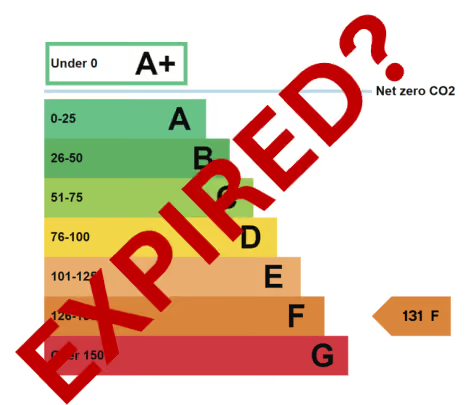
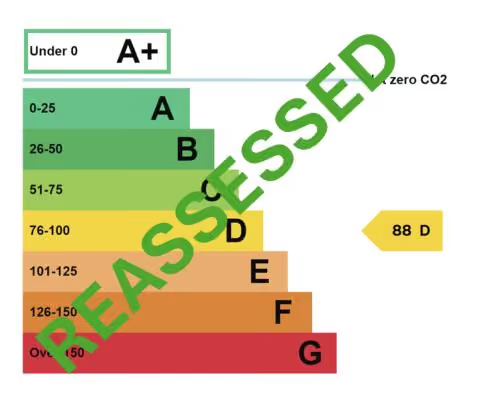
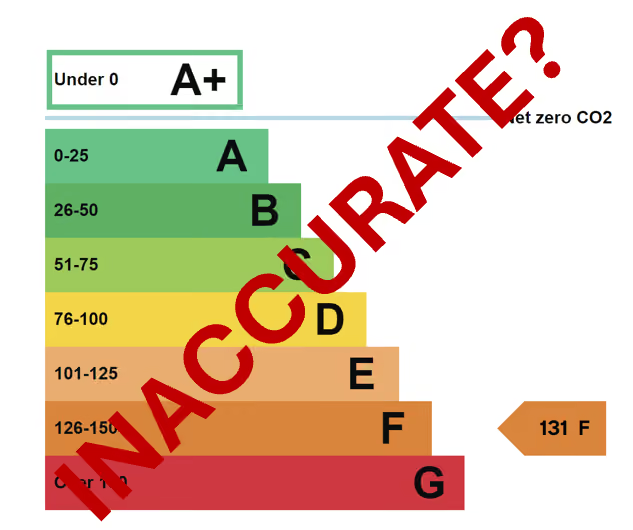
Reasons not to seek the cheapest EPC Assessment
There is a typical trade-off in play on EPC assessment between price and quality. With the history and infancy of the industry, the procurement of EPCs remains heavily price-driven. Getting a wrong/inaccurate result could be a hugely costly mistake, result in:
- Property devaluation – an inaccurate D-rating registered on a leasehold property which otherwise could have got a C-rating upon accurate assessment would inevitably impact both its capital and rental value.
- Rental appeal – in an ESG-driven market, the result of gaining a lower EPC rating due to poor assessment could make the difference in whether a property remains vacant or not.
- Rent review/other leasehold negotiations – a well-advised tenant may be successful in defending against a rent review, on the basis of a poorer registered EPC rating – the landlord’s ability to present a robustly completed good EPC rating in this instance is crucial.
Most assessors will want and endeavour to do a good job; however, the reality is that the EPC industry has not been prepared sufficiently for the weight of the impact of MEES and the majority of Assessors do not understand or appreciate the ramifications of their work.
Even in many cases, the accreditation bodies overseeing Assessors appear to have a focus on ensuring that their Assessors are able to register assessments (at their receipt of registration costs), rather than ensure the accuracy of assessments.
Some questions to ask an EPC Assessor
- Tell me about the MEES Regulations; what are the key dates, which properties are impacted?
- What Professional Indemnity Insurance do you hold in case of an error in your work?
- How many of your recent EPCs have you used ‘default values’ for?
- Are you a ‘Level 5’ accredited assessor?
- Should I base my future works on the Recommendation Report?
EPC Assessors who understand the gravity and importance of their work realise that they must carry out their work with care and diligence and hence take the time and make the effort to investigate the specification of air-conditioning systems, Air Handling Units, etc., as opposed to using ‘default’ values to save time.
They also ensure they hold an appropriate level of PI Insurance (no less than £2million), and will quickly identify that Recommendation Reports are severely flawed and should not be followed.
iSBEM vs SBEM vs DSM
Aligned with the suggestion of the accuracy of an EPC relating to the price paid for it, the following summarises the most commonly used means of assessment.
iSBEM – Interface for Simplified Building Energy Model
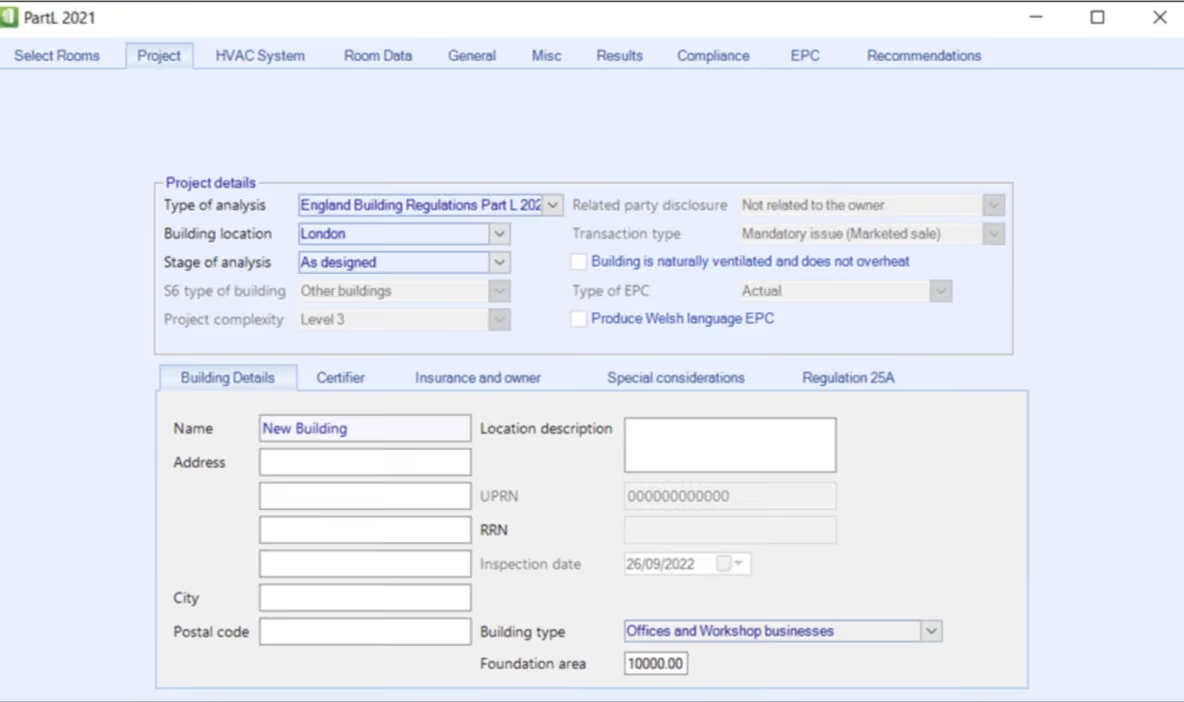
- Free issue software
- No modelling/drawing of the subject building involved
- Simplified data input platform
- Highly prone to calculation errors
- Typically used by newly qualified assessors unable to justify the expenditure on modelling software (and associated training) allowing them to undertake accurate assessment
- No ‘Level 5’ assessment capability
SBEM – Simplified Building Energy Model (DesignBuilder)
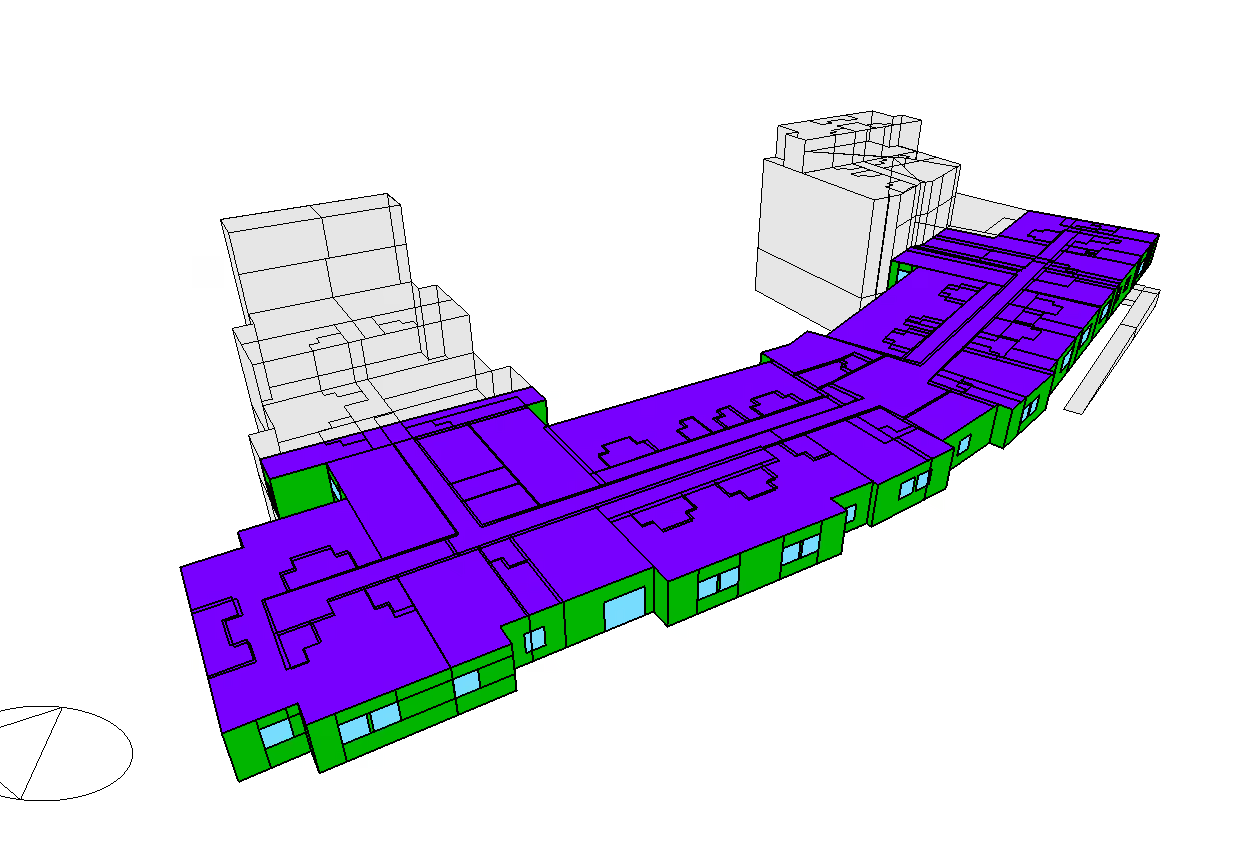
- Suitable for use on ‘Level 3’ or ‘Level 4’ buildings
- Involves the assessor measuring and modelling the building
- Licensed software used enables a model to be checked for accuracy/completeness
- Can be completed by ‘newly qualified’ assessors
- Cannot be used for complex ‘Level 5’ buildings
- Does not account for shading from neighbouring buildings
- Does not account for seasonal and regional weather variations as accurately as DSM
DSM – Dynamic Simulation Modelling (‘Level 5’) – DesignBuilder
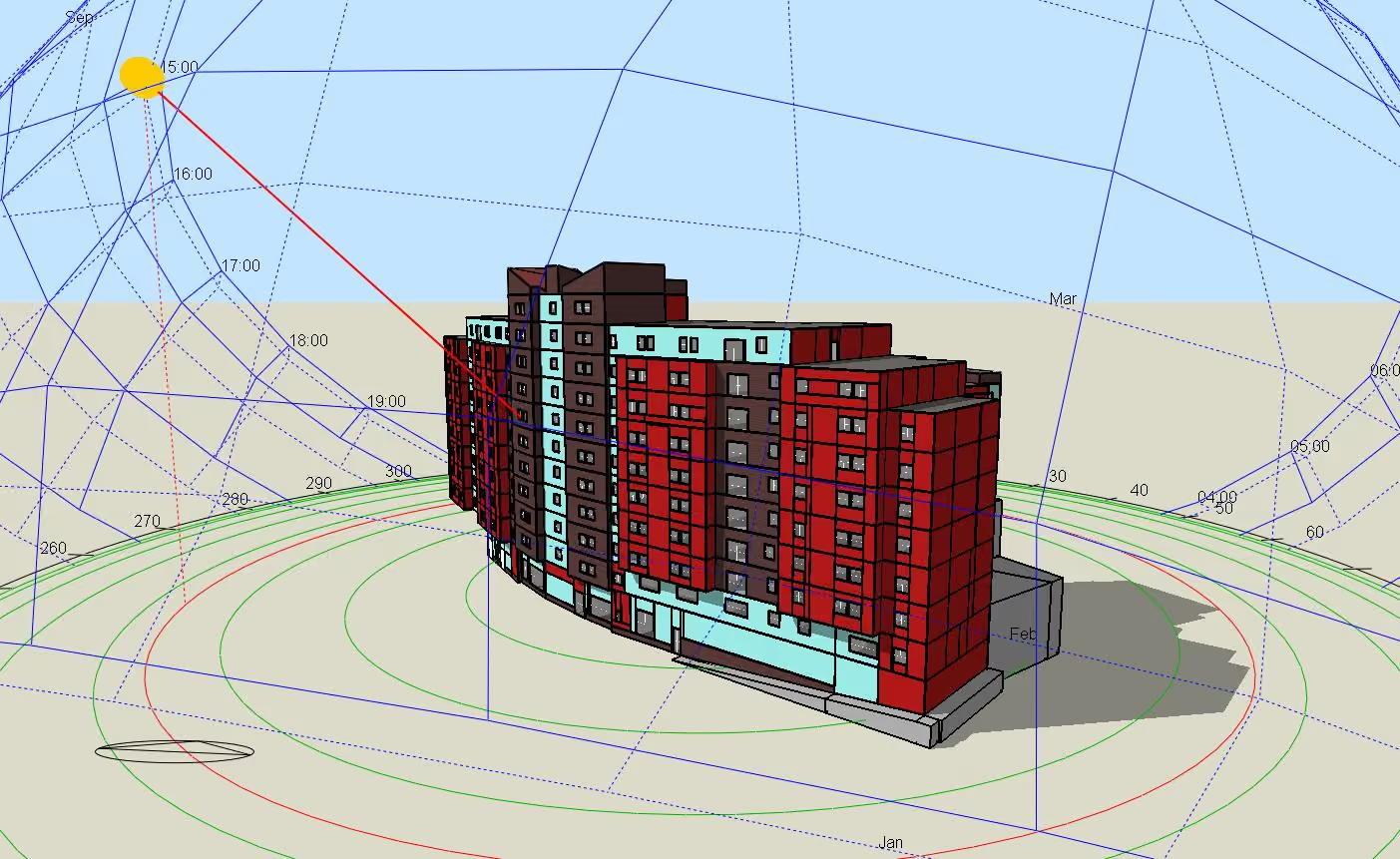
- Suitable for use on complex properties, defined as ‘level 5’ buildings, including those containing atria, and those with complex ventilation systems.
- The building is fully 3D modelled in licensed software, similar to the building of a ‘Revit’ model.
- The software self-checks to ensure the building model is complete.
-
Calculation of the EPC takes account of elements such as:
- regional weather variations;
- hourly weather data;
- shading from neighbouring buildings;
- specific building orientation (to 1° accuracy).
- Through this more detailed lens, the results on all buildings – including level 3 and level 4 buildings can be much improved through DSM assessment.
- A Level 5/DSM assessor will have required prior EPC experience to gain Level 5 accreditation.
- The DSM assessment provides the most reliable result – particularly important for contentious matters.